
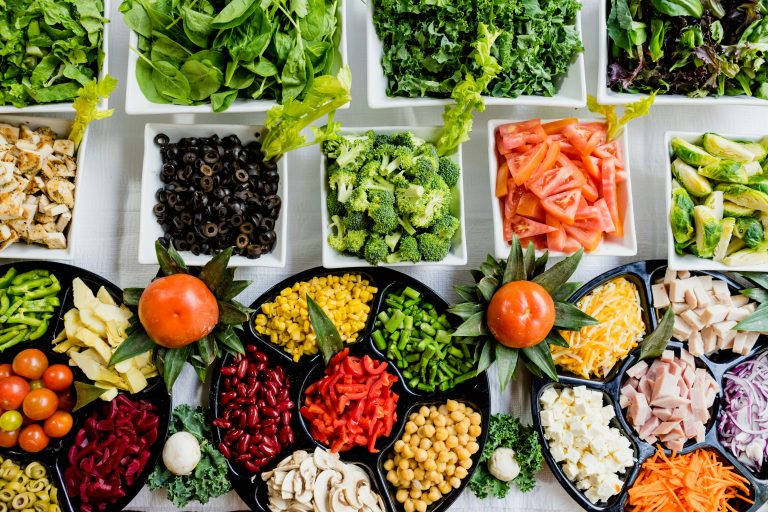
“From Monday, I’m eating healthy.”
I know that majority of us have said this with uttermost sincerity because we wanted to improve our eating habits.
Monday comes and suddenly you’re drinking more water, adding vegetables to your meals and promising yourself that you’ll never touch a fizzy drink again. Then Thursday comes, someone brings meat pie to work and suddenly, the healthy eating plan has disappeared.
If this sounds familiar, you’re not alone.
The problem is that many of us approach healthy eating like a punishment. We try to remove everything we enjoy, change ten habits at once and expect ourselves to stick with it forever.
Then, when it becomes difficult, we assume we’ve failed.
But maybe the problem isn’t you.
Maybe the plan was unrealistic.
So, how do you actually improve your diet without making yourself miserable?
Let’s talk about it.
- Start With Your Carbohydrates: Carbohydrates have somehow become the villain of every diet conversation. But your body needs carbohydrates for energy. Instead of completely eliminating them, focus on choosing higher-fibre and less refined options more often. Think Brown Rice, Oats, Millet, Maize, Whole-grain Bread, Potatoes, Yam, and other minimally processed carbohydrate sources. And yes, you can still eat white rice. Healthy eating isn’t about putting one food on a blacklist. It’s about the overall quality and balance of your diet.
- Give Fruits and Vegetables More Space on Your Plate: If your plate has been looking a little too beige lately, maybe it’s time to add some colour. Fruits and vegetables provide vitamins, minerals, fibre and other beneficial plant compounds. Try to include a variety of them throughout the day and they don’t have to be fancy. Think Bananas, Oranges, Watermelon, Pawpaw, Carrots, Tomatoes, Spinach, Ugu and Okra. There are plenty of options. Healthy eating doesn’t have to look expensive.
- Let’s Talk About Protein: Protein helps your body build and repair tissues and supports many important functions. And protein isn’t just chicken and beef. Beans, Lentils, Peas, Eggs, Fish, Dairy products, Soy foods, Nuts and Seeds can all contribute protein to your diet. There are so many ways to include nutritious protein sources in meals you already enjoy.
- Eat Fish Regularly: Fish is a great source of protein and some types are also rich in omega-3 fatty acids. Try to include fish regularly in your diet, particularly oily fish such as sardines, mackerel and salmon. And yes, sardines count.
- Let’s Talk About Fat: For years, fat was treated like the enemy but your body actually needs fat. The important thing is the type and amount of fat you consume. Foods containing unsaturated fats, such as Avocado, Nuts, Seeds and Some vegetable oils, are generally healthier choices than foods high in saturated and trans fats. That doesn’t mean you can never eat fried chicken, puff-puff, cake, butter or your favourite pastry. It means these foods are better enjoyed occasionally and in reasonable amounts rather than making up most of your diet. Again, balance.
- About That Sugar: This one deserves some attention. Foods and drinks high in added or free sugars can provide plenty of calories without providing many essential nutrients. Soft drinks, sweetened beverages, sweets, cakes, biscuits and many processed foods can all contribute to your daily sugar intake. And sometimes, the easiest place to start is simply looking at what you drink. Instead of having a sugary drink every time you’re thirsty, try choosing water or an unsweetened drink more often. You don’t have to quit everything overnight. Start by reducing it.
- Watch Your Salt: Your body needs sodium, but consuming too much can contribute to high blood pressure and increase cardiovascular risk. One simple step is to be mindful of how much salt you add to food and how often you consume highly processed foods that can contain a lot of sodium. But reducing salt doesn’t mean your food has to become tasteless. Use spices, herbs, garlic, ginger, onions, peppers and other ingredients to build flavour. Because honestly, if healthy eating means eating bland food every day, nobody is going to enjoy it.
- Drink More Water: Water is one of the simplest things you can add to a healthier lifestyle. Your fluid needs vary depending on factors such as your activity level, environment, diet and health, so there isn’t one magic number of glasses that everyone needs. Instead, drink regularly throughout the day and pay attention to your thirst and hydration. And for my Nigerian people: Water is still the OG.
Now, Let’s Talk About Making These Changes Stick
Knowing what to eat is one thing. Actually changing your habits is another.
So, how do you make healthier eating a habit rather than another goal that disappears after two weeks?
- Start Small: Please don’t wake up one morning and decide to change everything at once, such as no sugar, fried food, rice, bread, snacks. I can assure you that by Wednesday, you’re probably going to be sitting beside a bowl of fufu and egusi wondering what happened. Instead, choose one or two realistic changes. For example: “I’ll replace my soft drink at lunch with water three times this week” and stick to it. Small changes may not feel dramatic, but they’re much easier to maintain.
- Make Your Goals Specific: Rather than saying: “I want to eat more vegetables.” Say: “I’ll add vegetables to my dinner at least four times this week.” Now you have something you can actually work towards.
- Get Someone to Hold You Accountable: Changing your habits can be easier when someone supports you. Tell a friend or involve your family, just find someone who can encourage you and check in on your progress. But remember, accountability shouldn’t mean shame. You don’t need someone telling you that you’re “bad” because you ate cake. You need someone who can say: “Okay, you enjoyed the cake. Now let’s get back to your routine.”
- Look Beyond the Scale: Progress isn’t always measured in kilograms. Maybe you have more energy and you’re able to exercise for longer. Maybe your clothes fit differently. Maybe you simply feel more confident about the choices you’re making. These are all forms of progress.
- Please, Don’t Give Up After One Bad Meal: You ate the burger or the cake, okay move on. Remember one meal doesn’t erase all your healthy choices. The problem begins when one unhealthy meals becomes a reason to abandon your goals completely. Instead of thinking, “I’ve already ruined my diet, so I might as well continue,” simply get back on track with your next meal. You don’t need to wait until Monday.
In conclusion:
Eating healthier isn’t about being perfect. It’s about making better choices more consistently. You don’t have to give up Nigerian food. You don’t have to stop eating carbohydrates. You don’t have to spend a fortune on “superfoods.”
Start with what you already have. Make small changes. Choose healthier options when you can. Enjoy your favourite foods without guilt. And when you slip up, keep going. Because the healthiest diet isn’t the one you can follow perfectly for two weeks. It’s the one you can realistically live with for years. If you have specific nutritional needs, allergies or a health condition, speak with a qualified healthcare professional or registered dietitian for personalised advice.