
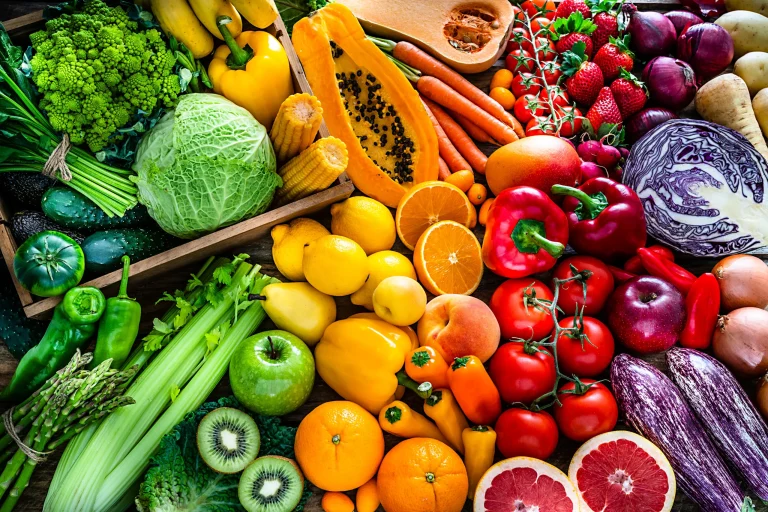
“I’m trying to eat healthy.”
I’ve heard this phrase so many times and honestly, I understand why. With all the diet trends, food rules and nutrition advice online, eating healthy can sometimes feel like a full-time job. One person says you should stop eating carbs, another says you should eat more protein and someone else is telling you that you need a green smoothie every morning.
So, what does healthy eating actually mean?
Our diets have changed significantly over the years. The increase in processed foods, globalization, busy lifestyles and easier access to convenience foods have changed the way many of us eat. We’re consuming more foods high in energy, saturated fats, added sugars and salt, while fruits, vegetables, whole grains and other nutrient-rich foods have take a back seat.
So, is this development to our advantage or disadvantage?
Let’s talk about it.
Let’s Decode “Healthy Eating”
A healthy diet is, quite simply, a balanced diet.
It means eating a variety of foods that provide your body with the nutrients and energy it needs to function properly.
Your body needs carbohydrates, protein, fats, vitamins, minerals, fibre and water. Since no single food can provide everything your body needs, variety is important.
A healthy diet generally includes plenty of fruits and vegetables, whole grains and other high-fibre foods, healthy sources of protein and healthier unsaturated fats. It includes limiting foods that are high in added sugars, salt and unhealthy fats.
And before you start thinking I’m about to tell you to give up your beloved jollof rice, let me stop you right there.
Healthy eating does not mean you can never eat your favourite foods.
You can eat rice. You can eat bread. You can enjoy cake. You can even have your occasional shawarma.
The goal is not perfection, the goal is balance.
So, Why Does Healthy Eating Matter?
Food does more than satisfy hunger.
The nutrients we get from food provide energy, support development, maintain the immune system and allow our bodies to carry out essential functions.
Over time, consistently eating a healthy diet can also help reduce the risk of several health problems, including obesity, type 2 diabetes, cardiovascular diseases and some forms of malnutrition.
But here’s something important: Healthy eating doesn’t look exactly the same for everyone.
Let’s Talk About What Influences Our Diet
Have you ever wondered why you eat the foods you eat? Our food choices can be influenced by several things, including:
- Age: A baby doesn’t have the same nutritional needs as a teenager and a teenager doesn’t have the same nutritional needs as an older adult. As we grow and age, our bodies go through different changes, which means our nutritional needs also change . The diet that works for you at one stage of life may not necessarily be the diet your body needs at another.
- Gender: Biological differences can influence nutritional and energy requirements. For example, men often have higher energy requirements on average because they tend to have greater body size and muscle mass. However, individual needs vary, so gender alone doesn’t determine exactly how much someone should eat.
- Lifestyle: Your lifestyle matters too. Someone who spends most of their day sitting behind a desk will generally have different energy needs from someone who spends their day doing physically demanding work or exercising regularly. The more energy your body uses, the more energy it may need from food.
- Culture: Food is deeply connected to culture. In Nigeria, food is family, celebration, tradition and sometimes the reason you attended the party in the first place! Jollof rice, beans, yam, plantain, amala, eba, soups, moi-moi and so many other foods are part of our everyday food culture. So when we talk about healthy eating, the answer shouldn’t be to throw away our cultural foods and replace them with foods that don’t fit into our lives. Instead, we can learn how to enjoy the foods we already eat as part of a balanced diet. Healthy eating should fit into your life, not force you to abandon it.
- What’s Locally Available: Another factor is simply what you have access to. People tend to eat foods that are affordable, available, convenient, and accessible to them. It’s easy to tell someone to “eat healthier,” but the cost of food, where they live, what is in season and what is available around them can all influence their choices. This is why healthy eating needs to be realistic. Because what’s the point of creating the perfect diet on paper if you can’t actually maintain it in real life?
So, What Should Your Diet Actually Look Like?
There isn’t one perfect plate that every person needs to eat every day. Instead, think about variety, balance and moderation. Include different food groups. Eat a variety of fruits and vegetables. Choose nutritious sources of carbohydrates and protein. Drink enough fluids. And enjoy foods that are higher in sugar, salt, or unhealthy fats in moderation.
And remember: One healthy meal doesn’t make your entire diet healthy. One less nutritious meal doesn’t ruin it either. It’s your overall eating pattern that matters.
In Conclusion:
Healthy eating isn’t about following the latest food trend or creating a list of foods you’re never allowed to eat again. It’s about giving your body the nutrients it needs while creating an eating pattern that works with your lifestyle, culture, budget, and preferences. You don’t need to eat perfectly.
You just need to make choices that support your health more often than not.
And if you’re now wondering, “Okay, but how do I actually start eating healthier?” . Don’t worry, we’ll get into that in next week’s article.
See you then!
Quick Note: This content is for general education and awareness. If you experience persistent, unusual, or sudden changes in body odour or excessive sweating, speak with a qualified healthcare professional for proper assessment.